Wir sind Premium Reinigung.
Premium Reinigung in Wien, Graz, Linz und Salzburg kostet ab 41,20 € je Stunde netto, als Monatspauschale bei Reinigung im Wochentakt. Nach der Begehung steht der Preis schriftlich.

Unsere Leistungen in Wien:
Premium Reinigungvon denselben Leutenjedes Mal, nicht wechselnd
Dazu steht auf dieser Seite nichts. Fragen Sie uns einfach.
- 01Was wir reinigen
- 02Wie wir arbeiten
- 03Wie der Preis entsteht
- 04Wo wir arbeiten
- 05Premium Reinigung: Bling Bling vs. Mitbewerber
- 068 Gründe für Premium Reinigung von Bling Bling
- 07Premium Reinigung in 5 weiteren Städten
- 08Premium Reinigung im Leistungskontext
- 09Was den Preis für Premium Reinigung bestimmt
- 10Drei Rechenbeispiele für Premium Reinigung
- 11Von der Anfrage bis zum ersten Einsatz: der Ablauf Schritt für Schritt
- 12Wer kommt: Personal, Anmeldung und Zutritt
- 13Qualität, Kontrolle und Reklamation
- 14Vertrag, Kündigung und Abrechnung
- 15Ausrüstung, Mittel und Nachhaltigkeit
- 16Die Begriffe, die im Angebot vorkommen
- 17Was Sie vor der Begehung bereitlegen können
- 18Was nicht zu Premium Reinigung gehört
- 19Wer Bling Bling vertraut
- 20So buchen Sie Ihre Premium Reinigung
- 21Schriftliche Empfehlungsschreiben renommierter Kunden
- 22Häufige Fragen
- 23Unsere Standorte
- 24Weitere Leistungen
- 25Premium Reinigung anfragen
★ Original seit 2014
Andere klauen unsere Logos und Ideen.
Wir? Wir reinigen weiter.
Unser Feemann und unser Look tauchen inzwischen sogar auf fremden Firmenautos auf. Wir nehmen es mit Humor — denn Nachmachen ist die ehrlichste Form der Anerkennung. Während andere unsere Idee kopieren, sorgen wir lieber für das, worauf es wirklich ankommt: ein sauberes Umfeld im Leben unserer Kunden.
Das Original erkennt man nicht am Logo auf dem Auto — sondern an 4,8★ aus 198 echten Bewertungen, festem Eigenteam und zwölf Jahren Wiener Handschrift.
Das Original: Bling Bling Premium Reinigung · Bling Bling GmbH · Peak Vienna, 1210 Wien · FN 611990k · GISA 37409401 · nur auf bling-bling.at
Eine Reinigungsfirma erkennt man nicht am Prospekt, sondern an drei Dingen: ob dieselben Leute kommen, ob sie angemeldet sind und ob jemand kontrolliert, was sie tun. Wir arbeiten mit festem Stammteam je Standort, melden jede Kraft ordentlich angemeldet an und prüfen die Objekte nach festem Prüfblatt. Diese Seite erklärt, was wir machen, wie wir arbeiten und wie der Preis zustande kommt.
01. Was wir reinigen
Vier Bereiche, jeder mit eigenem Team und eigener Ausstattung.
Büro und Gewerbe
Unterhaltsreinigung in Büros, Kanzleien, Praxen und Gewerbeflächen. Meist abends oder früh, nach Leistungsverzeichnis, mit Ansprechperson je Objekt.
Zur Büroreinigung →Wohnen
Laufende Wohnungsreinigung, Grundreinigung und Auszugsreinigung mit Übergabeprotokoll im Blick.
Zur Wohnungsreinigung →Haus und Liegenschaft
Hausbetreuung, Stiegenhausreinigung, Grünflächen und Winterdienst für Hausverwaltungen und Eigentümer.
Zur Hausbetreuung →Glas und Sonderreinigung
Fenster- und Fassadenreinigung, Bauschlussreinigung, Teppich- und Polsterreinigung, Sonderfälle nach Wasserschaden.
Zur Fensterreinigung →02. Wie wir arbeiten
Vier Punkte, an denen sich Qualität festmachen lässt.
Dieselben Personen
Ein Objekt bekommt ein festes Team mit benannter Vertretung. Nach zwei Einsätzen kennt das Team die Fläche — das sieht man am Ergebnis und spart Zeit.
Angemeldet und versichert
Jede Kraft ist ordentlich angemeldet, nach Kollektivvertrag für Gebäudereiniger. Dazu 3 Mio. € Betriebshaftpflicht, auch für Schließanlagen.
Kontrolle statt Zufall
Angekündigte und unangekündigte Begehungen nach Prüfblatt. Beanstandungen werden schriftlich festgehalten und binnen 48 Stunden behoben.
Richtige Mittel
Sauer gegen Kalk, alkalisch gegen Fett, neutral auf Naturstein und geöltem Holz. Falsche Mittel verursachen Schäden, die keine Reinigung mehr behebt.
03. Wie der Preis entsteht
Wir nennen keinen Preis, bevor wir das Objekt gesehen haben.
Besichtigung
Kostenlos, 20 bis 40 Minuten. Wir sehen Flächen, Oberflächen, Zugang und Zeitfenster an und halten fest, was zu tun ist.
Leistungsverzeichnis
Darin steht, was in welchem Takt gemacht wird. Ohne Verzeichnis ist jede Beschwerde später Auslegungssache.
Festpreis
Werktags binnen 48 Stunden nach der Besichtigung, als Festpreis. Zuschläge für Wochenende und Feiertag sind getrennt ausgewiesen.
Anpassen statt nachverhandeln
Ändert sich die Nutzung, passen wir das Verzeichnis an. Nachverhandeln während des laufenden Einsatzes gibt es bei uns nicht.
04. Wo wir arbeiten
Fünf Standorte mit eigenem Team vor Ort statt Anfahrt aus der Zentrale.
Wien
Alle 23 Bezirke, Teams je Bezirksgruppe. Größter Standort mit der breitesten Objektmischung.
Reinigungsfirma Wien →Graz und Linz
Eigene Teams vor Ort, in Graz mit Rücksicht auf die Feinstaublage im Winter, in Linz auf den Industriegürtel im Osten.
Standort Graz →Salzburg und Klosterneuburg
Kleinere Standorte mit denselben Standards, kurzen Wegen und derselben Ausstattung.
Standort Salzburg →05. Premium Reinigung: Bling Bling vs. Mitbewerber
Premium Reinigung bieten viele an — von Facility-Dienstleistern, regionalen Reinigungsbetrieben und Online-Vermittlern bis zu Einzelanbietern. Der Unterschied liegt selten im Versprechen, sondern darin, wer tatsächlich kommt, ob die Leute angemeldet sind und was passiert, wenn etwas schiefgeht.
| Kriterium | Bling Bling | Billig-Anbieter | Großkonzern |
|---|---|---|---|
| Reinigungskräfte ordentlich angemeldet | ✓ alle | ✗ oft nicht | ✓ |
| Festangestelltes Stammteam | ✓ immer | ✗ Sub-Kette | ~ Mix |
| 3 Mio. € Haftpflicht | ✓ ausgewiesen | ✗ minimal | ✓ höher |
| RKI/VAH-gelistete Mittel, HACCP-geschult | ✓ alle | ✗ | ~ |
| Eingeschultes Personal, Nachweis auf Verlangen | ✓ | ~ | ✓ |
| Feste Ansprechperson | ✓ direkt | ~ | ✗ Call-Center |
| Mehrsprachig (DE/EN und fünf weitere) | ✓ | ~ | ~ DE/EN |
| Foto-Dokumentation vorher/nachher | ✓ immer | ✗ | ~ Aufpreis |
| Nachbesserung binnen 48 h inklusive | ✓ schriftlich | ✗ | ~ |
06. 8 Gründe für Premium Reinigung von Bling Bling
Woran sich ein Reinigungsbetrieb messen lassen muss — und was davon nachprüfbar ist.
1Seit 2014 im Betrieb
Familienbetrieb, kein Franchise und keine Vermittlung — wer anbietet, führt auch aus.
2Angemeldetes Stammteam
Festangestellt und ordentlich angemeldet. Keine Subunternehmerkette, bei der am Ende niemand haftet.
3Dieselben Leute jedes Mal
Das Team kennt Objekt, Zugänge und Abläufe. Vertretung ist geregelt und namentlich hinterlegt.
43 Mio. € Haftpflicht
Personen-, Sach- und Vermögensschäden gedeckt, der Nachweis liegt dem Angebot bei.
5RKI/VAH-gelistete Mittel, HACCP
Gelistete Mittel, geschultes Personal, Reinigungs- und Desinfektionsplan je Objekt.
6Mehrsprachig
Deutsch, Englisch und fünf weitere Sprachen — die Einweisung kommt an.
7Kein Preis ohne Begehung
Ein Pauschalpreis am Telefon hält selten. Nach der Besichtigung steht der Rahmen schriftlich.
8Nachweis mit Datum
Einsatznachweis und Foto-Dokumentation, monatlich als Bericht.
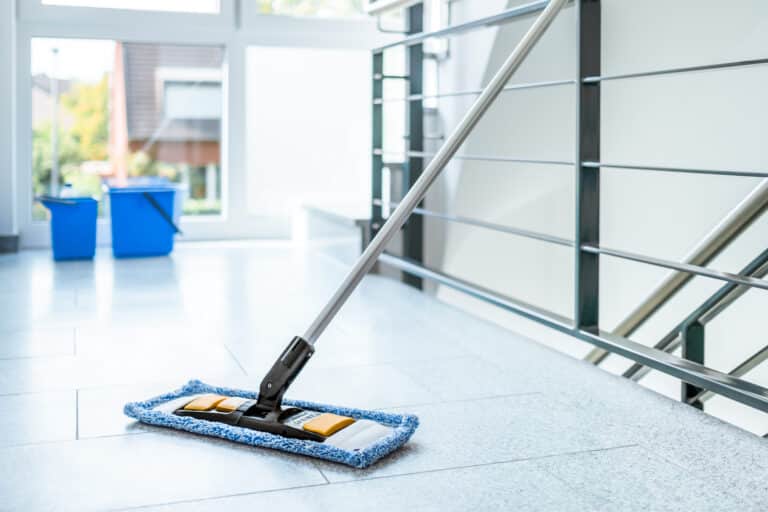
KLARTEXT
PREIS VORABPreis auch ohne Ortstermin.Sie bekommen eine Zahl, sobald wir Fläche und Takt kennen – schriftlich, binnen 48 Stunden. Beim Ortstermin wird daraus ein Festpreis mit Verzeichnis.
07. Premium Reinigung in 5 weiteren Städten
Bling Bling arbeitet in Wien, Graz, Linz, Salzburg und Klosterneuburg — mit eigenem Personal vor Ort, nicht mit angeworbenen Subunternehmen.
08. Premium Reinigung im Leistungskontext
Eine Premium Reinigung steht selten allein. Diese Leistungen werden am häufigsten dazu beauftragt:
Laufende Reinigung danach
Glas und Fassade
Möbel und Bodenpflege
Branchen mit eigenen Regeln
Haus und Verwaltung
Sonderfälle
Endreinigung, Baureinigung, Sonderreinigung, Desinfektionsreinigung.
Wer eine Premium Reinigung beauftragt, braucht meist mehr als einen Termin. Alles aus einer Hand heißt hier: eine Ansprechperson, ein Vertrag, eine Sammelrechnung — und dasselbe Team, das das Objekt schon kennt.
09. Was den Preis für Premium Reinigung bestimmt
Wer einen Preis nennen will, ohne das Objekt gesehen zu haben, muss raten. Diese Tabelle zeigt, was er dabei alles nicht weiss.
| Größe | Worum es geht | Wirkung auf den Preis |
|---|---|---|
| Fläche | Die Grundgröße, aber nicht der wichtigste Posten. | Sie bestimmt die Wegzeit, nicht den Aufwand je Quadratmeter. |
| Takt | Wie oft gereinigt wird. | Je öfter, desto weniger Aufwand je Einsatz – der Monatspreis steigt langsamer als die Zahl der Einsätze. |
| Sanitäreinheiten | Der Posten, der am häufigsten unterschätzt wird. | Eine Sanitäreinheit kostet so viel Zeit wie dreissig bis fünfzig Quadratmeter Bodenfläche. |
| Belag | Welcher Boden liegt. | Naturstein, Parkett und beschichtetes Linoleum brauchen andere Mittel und andere Zeit als PVC. |
| Zugang | Schlüssel, Code, Portier oder Begleitung. | Jede Minute Wartezeit vor der Tür ist bezahlte Zeit, in der nicht gereinigt wird. |
| Frequenz | Wie viele Menschen täglich durchgehen. | Der Eingangsbereich eines Publikumsbetriebs verschmutzt zehnmal schneller als ein Bürogang. |
| Sonderflächen | Glastrennwände, Teeküche, Aufzug, Stiegenhaus. | Sie stehen getrennt im Verzeichnis, weil sie oft einen eigenen Takt haben. |
| Zeitfenster | Wann gereinigt werden darf. | Ein enges Fenster braucht mehr Leute gleichzeitig. Das kostet mehr als dieselbe Arbeit über zwei Stunden verteilt. |
Und der Stundensatz?
Er liegt bei 41,20 Euro netto je Stunde und ist an allen fünf Standorten derselbe. Eine Monatspauschale ist nichts anderes als die vereinbarte Stundenzahl je Woche, auf den Monat gerechnet. Wer eine Pauschale nennt, ohne die Stundenzahl dazuzusagen, nennt Ihnen keinen Preis, sondern eine Zahl. Deshalb steht in unserem Angebot beides: die Stunden und die Summe. Der Satz von 41,20 Euro gilt für die laufende Reinigung im Wochentakt, abgerechnet als Monatspauschale – auch im Stiegenhaus. Einmalige Einsätze, Erst- und Grundreinigung rechnen wir nach Aufwand ab: je nach Leistung nach Stunden ab 50 Euro netto, nach Quadratmeter oder als Pauschale; die Wegzeit hin und retour zählt mit.
Zwanzig Prozent Umsatzsteuer kommen dazu. Für einen Betrieb ist die Reinigung eine voll abzugsfähige Betriebsausgabe; zur steuerlichen Behandlung im Einzelfall gibt Ihre Steuerberatung Auskunft, nicht wir.
10. Drei Rechenbeispiele für Premium Reinigung
Keine Preisliste, sondern eine Rechnung zum Nachrechnen: vereinbarte Stunden mal 41,20 Euro, mal 4,33 Wochen je Monat. Die Stundenzahl ist die Annahme, alles andere ist Multiplikation.
| Größe | Annahme | Stunden | Monatlich |
|---|---|---|---|
| Klein | ein Standort, zwei Einsätze je Woche, je zwei Stunden | 4 Std./Woche | rund 710 € netto |
| Mittel | ein Standort, drei Einsätze je Woche, je drei Stunden | 9 Std./Woche | rund 1.610 € netto |
| Groß | ein Standort, fünf Einsätze je Woche, je vier Stunden | 20 Std./Woche | rund 3.570 € netto |
Das ist der ganze Rechenweg: Stunden je Woche mal 41,20 Euro mal 4,33. Wie viele Stunden Ihr Objekt braucht, sagt die Begehung – und genau das ist der Punkt, an dem ein Angebot ohne Ortstermin raten muss.
Wir nennen diese Rechnung bewusst, obwohl sie uns angreifbar macht: wer günstiger anbietet, rechnet entweder mit weniger Stunden oder mit nicht angemeldetem Personal.
11. Von der Anfrage bis zum ersten Einsatz: der Ablauf Schritt für Schritt
So läuft es bei Premium Reinigung ab – ohne Überraschungen und ohne Termin, den wir nicht halten können.
| Nr. | Schritt | Was passiert | Wann |
|---|---|---|---|
| 1 | Anfrage | Sie schreiben kurz, worum es geht – Objekt, ungefähre Fläche, gewünschter Takt. | Antwort werktags binnen 48 Stunden. |
| 2 | Begehung | Wir schauen uns das Objekt an, messen nach und nehmen die Positionen auf. | Kostenlos und unverbindlich, meist binnen zwei bis vier Werktagen. |
| 3 | Angebot | Sie bekommen Verzeichnis, Mengen, Stunden, Summe und die ausdrücklichen Ausschlüsse. | Schriftlich, binnen zwei Werktagen nach der Begehung. |
| 4 | Einschulung | Das Team wird auf Ihr Objekt eingeschult: Zutritt, Besonderheiten, Ansprechperson. | Fünf bis zehn Werktage Vorlauf vor dem ersten Einsatz. |
| 5 | Erster Einsatz | Der Start liegt meist auf dem Monatsersten, damit die Abrechnung sauber beginnt. | Die erste Woche begleiten wir eng. |
| 6 | Kontrolle | Regelmäßige Sichtkontrolle, Leistungsnachweis je Einsatz, auf Wunsch mit Foto. | Nachbesserung binnen 24 Stunden, wenn etwas nicht passt. |
Der längste Posten ist die Einschulung, und das mit Absicht. Ein Team, das am ersten Tag ohne Vorbereitung anfängt, braucht drei Monate, bis das Ergebnis stimmt – diese drei Monate zahlen sonst Sie.
12. Wer kommt: Personal, Anmeldung und Zutritt
Wer in Ihrem Objekt arbeitet, ist nicht nur eine Frage der Qualität, sondern auch eine Frage der Haftung.
Eigenes Personal
Wer bei uns arbeitet, steht auf unserer Lohnliste und ist ordentlich angemeldet. Keine Subunternehmerkette, keine Werkverträge mit Einzelpersonen. Bei einer Prüfung nach dem Lohn- und Sozialdumping-Bekämpfungsgesetz ist das nicht nur unser Thema, sondern auch Ihres.
Dasselbe Team
Ihr Objekt bekommt feste Kräfte, eingeschult auf Ihre Besonderheiten, und eine benannte Vertretung für Urlaub und Krankheit. Wechselndes Personal ist der häufigste Grund, warum die Qualität nach drei Monaten nachlässt – nicht schlechter Wille, sondern fehlendes Wissen über das Objekt.
Zutritt und Schlüssel
Schlüssel werden protokolliert übergeben und namentlich zugeordnet. Alternativ arbeiten wir mit Code, Transponder oder Begleitung durch Ihr Haus. Verlust ist über die Betriebshaftpflicht gedeckt, einschliesslich Schliessanlage – der Punkt, der in vielen Polizzen fehlt.
Verschwiegenheit
Alle Kräfte unterschreiben eine Verschwiegenheits-erklärung. In Kanzleien, Ordinationen und Bürobetrieben ist das keine Formsache: unsere Leute sehen Unterlagen, Bildschirme und Besucher.
Sprache
Die Einschulung läuft auf Deutsch, die Anweisungen im Objekt liegen zusätzlich bebildert vor. Eine Ansprechperson, die Deutsch spricht, ist immer erreichbar.
Versicherung
Betriebshaftpflicht über 3 Mio. Euro, einschliesslich Schäden an Einrichtung und Schliessanlagen. Die Polizze legen wir auf Verlangen vor – vor dem Vertrag, nicht erst im Schadensfall.
Eine Bemerkung dazu, ohne jemanden schlechtzumachen: Angebote, die deutlich unter dem örtlichen Niveau liegen, sind rechnerisch fast immer nur mit nicht angemeldetem Personal darstellbar. Das Risiko daraus liegt am Ende bei dem, in dessen Objekt gearbeitet wird. Rechnen Sie das mit, wenn Sie Angebote vergleichen – in Wien wie überall.
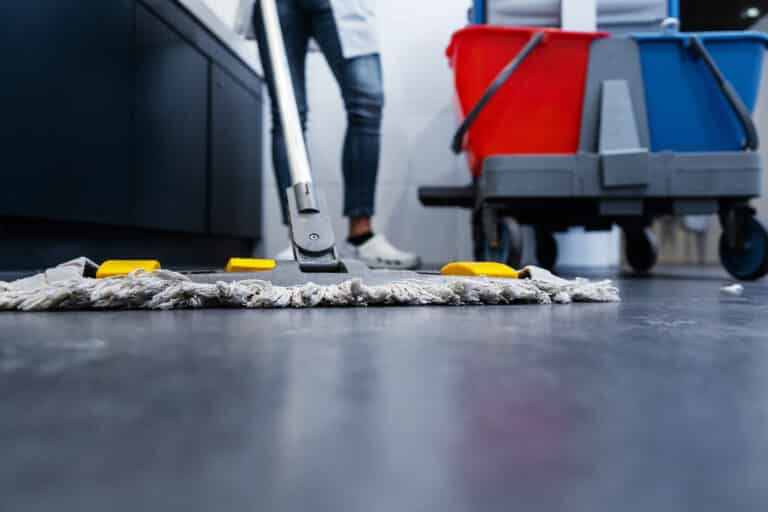
Keine Subunternehmerkette, keine wechselnden Gesichter. Wer bei uns arbeitet, steht auf unserer Lohnliste.
13. Qualität, Kontrolle und Reklamation
Jede Reinigungsfirma hat schlechte Tage. Der Unterschied liegt darin, wie schnell sie das merkt und was sie dann tut.
Sichtkontrolle
Die Objektleitung geht das Objekt in einem festen Turnus durch, nicht nur nach Beschwerden. Bei größeren Objekten monatlich, bei kleineren vierteljährlich.
Leistungsnachweis
Je Einsatz wird festgehalten, wer da war, wie lange und was gemacht wurde. Auf Wunsch mit Foto. Das erspart die Diskussion darüber, ob jemand da war.
24 Stunden
Wenn etwas nicht passt, melden Sie es formlos – Anruf, Nachricht oder E-Mail. Nachgebessert wird binnen eines Werktags, ohne Diskussion und ohne zusätzliche Rechnung.
Ansprechperson
Eine benannte Person mit Durchwahl, die das Objekt kennt. Kein Ticketsystem und keine Nummer, hinter der jedes Mal jemand anderer sitzt.
Nachweis für Dritte
Verwaltungen, Eigentümerversammlungen und Prüfstellen bekommen die Nachweise als Sammelauszug, ohne dass Sie sie zusammensuchen müssen.
Wenn es nicht passt
Drei Monate Kündigungsfrist zum Monatsende, ohne Begründung. Wir binden niemanden über Jahre an einen Vertrag, den die Leistung nicht überzeugt.
Der ehrliche Teil: Was wir nicht zusagen können, ist, dass nie etwas übersehen wird. Ein Objekt mit wechselnden Menschen darin ist kein Fliessband. Zusagen können wir, dass es Ihnen keine zweite Meldung kostet.
14. Vertrag, Kündigung und Abrechnung
Was im Vertrag steht, bevor Sie ihn unterschreiben – nicht danach.
| Punkt | Bei uns | Was das heisst |
|---|---|---|
| Laufzeit | unbefristet | Keine Mindestlaufzeit, keine automatische Verlängerung um ein Jahr. |
| Kündigung | drei Monate zum Monatsende | Formlos schriftlich, ohne Begründung, für beide Seiten gleich. |
| Abrechnung | monatlich im Nachhinein | Sonderleistungen getrennt ausgewiesen, nicht in der Pauschale versteckt. |
| Zahlungsziel | 14 Tage netto | Bei mehreren Standorten auf Wunsch als Sammelrechnung mit Aufschlüsselung. |
| Preisanpassung | einmal jährlich, angekündigt | Nach dem Kollektivvertrag der Denkmal-, Fassaden- und Gebäudereiniger, nicht nach Gutdünken. |
| Schliesszeiten | werden herausgerechnet | Betriebsurlaub im Vorhinein gemeldet, entfallene Einsätze nicht verrechnet oder getauscht. |
| Sonderleistungen | vorher angeboten | Grundreinigung, Fenster aussen oder Bauendreinigung laufen als eigener Auftrag. |
| Datenschutz | Auftragsverarbeitung auf Wunsch | Wo unsere Kräfte mit personenbezogenen Daten in Berührung kommen können, gibt es eine Vereinbarung dazu. |
Die vollständigen Bedingungen stehen in den AGB. Sie sind Teil jedes Angebots, nicht ein Link im Kleingedruckten.
Die vollständigen Bedingungen finden Sie in den Allgemeinen Geschäftsbedingungen; sie liegen jedem Angebot bei.
15. Ausrüstung, Mittel und Nachhaltigkeit
Der Teil, nach dem selten jemand fragt – und der die meisten Schäden verursacht, wenn er falsch gemacht wird.
Wir bringen alles mit
Maschinen, Mittel und Verbrauchsmaterial sind im Preis enthalten, sofern nichts anderes vereinbart ist. Sie müssen nichts bereitstellen und nichts nachbestellen.
Farbcodierte Tücher
Getrennte Tücher für Sanitär, Küche und allgemeine Flächen. Ein Tuch, das überall hinkommt, trägt alles überall hin – das ist der Grund, warum Farbcodierung kein Marketing ist.
Dosierung
Mittel werden dosiert, nicht geschätzt. Überdosierung hinterlässt Filme, die Schmutz binden – danach wird schneller wieder schmutzig, nicht langsamer.
Materialgerecht
Vor dem ersten Einsatz wird festgehalten, welche Beläge und Oberflächen vorliegen und was sie vertragen. Ein falsches Mittel auf Naturstein ist in zehn Sekunden passiert und dauerhaft sichtbar.
Weniger ist mehr
Wo mechanisch gearbeitet werden kann, wird mechanisch gearbeitet. Das ist günstiger, schont die Oberfläche und spart Chemie – in dieser Reihenfolge der Gründe.
Entsorgung
Abfall wird getrennt entsorgt. Wo Nachweise nötig sind – bei Entrümpelung, Bau oder Sonderabfall – bekommen Sie sie zur Rechnung dazu.
16. Die Begriffe, die im Angebot vorkommen
Damit im Angebot nichts steht, was Sie erst nachschlagen müssen: die zehn Begriffe, um die es geht.
| Begriff | Was es ist | Wann es zählt |
|---|---|---|
| Unterhaltsreinigung | Die wiederkehrende Reinigung in festen Intervallen. Sie hält einen Zustand, sie stellt ihn nicht her. | Der Oberbegriff für alles Laufende, gleich welcher Objekttyp. |
| Grundreinigung | Alte Beschichtung wird abgenommen und eine neue aufgebaut. Braucht Maschine, Trocknungszeit und meist eine Sperre. | Einmalig, am Anfang oder alle paar Jahre. |
| Tiefenreinigung | Die Stufe dazwischen: Randzonen, Höhe, Fugen und Kontaktflächen, ohne die Beschichtung anzurühren. | Ein- bis zweimal im Jahr, meist am Wochenende. |
| Leistungsverzeichnis | Die Liste aller Positionen mit Menge, Takt und ausdrücklichen Ausschlüssen. Sie ist Anhang zum Vertrag. | Ohne sie ist ein Angebot nur eine Zahl. |
| Sichtreinigung | Nur das, was auffällt: Papierkorb, sichtbarer Schmutz, Kontaktflächen. Ein verkürzter Durchgang zwischen zwei vollen. | Sinnvoll bei täglichem Takt, nie als Ersatz. |
| Einpflege | Der Schutzfilm, der nach der Grundreinigung auf den Belag kommt. Er nimmt den Schmutz auf, damit der Belag ihn nicht aufnimmt. | Ohne sie ist der Boden in einem halben Jahr wieder dort, wo er war. |
| Sprühextraktion | Wasser mit Reinigungsmittel wird in das Textil gedrückt und samt gelöstem Schmutz wieder abgesaugt. | Das Verfahren für Teppich und Polster, nicht Shampoonieren. |
| Kontaktflächen | Alles, was tatsächlich angefasst wird: Klinken, Schalter, Griffe, Geländer, Armaturen. | Der Ort der Übertragung — und der am häufigsten übersehene. |
| Objektmappe | Die Unterlage am Objekt: Verzeichnis, Plan, Besonderheiten, Ansprechpersonen, Nachweise. | Sie sorgt dafür, dass eine Vertretung am ersten Tag weiß, was zu tun ist. |
| Leistungsnachweis | Der Beleg je Einsatz: wer, wie lange, was. Auf Wunsch mit Foto. | Die Grundlage, wenn jemand fragt, ob gereinigt wurde. |
Die beiden, die am häufigsten verwechselt werden, sind Grundreinigung und Tiefenreinigung. Der Unterschied sind mehrere tausend Euro — fragen Sie im Zweifel nach, bei uns wie bei jedem anderen.
17. Was Sie vor der Begehung bereitlegen können
Nichts davon ist Pflicht. Jedes davon macht das Angebot genauer und den Termin kürzer.
Fläche, wenn Sie sie haben
Mietvertrag, Plan oder Nutzflächenaufstellung. Eine geschätzte Zahl reicht für den Anfang; genau wird es bei der Begehung ohnehin nachgemessen.
Wie oft und wann
Der gewünschte Takt und das Zeitfenster. Ob abends, früh oder am Wochenende gereinigt werden darf, ändert den Preis stärker als die meisten anderen Angaben.
Wer aufsperrt
Schlüssel, Code, Portier oder Begleitung. Wartezeit vor der Tür ist bezahlte Zeit, in der nicht gereinigt wird — deshalb steht die Frage so früh.
Was bisher nicht gepasst hat
Der nützlichste Punkt überhaupt. Wenn Sie sagen, woran es beim Vorgänger gescheitert ist, steht die Antwort darauf im Verzeichnis — und wird nicht wieder vergessen.
Besonderheiten am Objekt
Empfindliche Beläge, Alarmanlage, Tiere, Bereiche ohne Zutritt, Zeiten mit Publikum. Alles, was jemand wissen muss, der zum ersten Mal kommt.
Ein paar Fotos
Wenn ein Termin erst in einer Woche möglich ist, bringen uns fünf Fotos schon weiter. Ein Angebot ersetzen sie nicht, aber sie zeigen, ob die Größenordnung stimmt.
Die Begehung ist kostenlos und unverbindlich. Wenn dabei herauskommt, dass Sie etwas anderes brauchen als das, wonach Sie gefragt haben, sagen wir das — auch dann, wenn das andere kleiner ist.
18. Was nicht zu Premium Reinigung gehört
Damit im Angebot keine Überraschung steckt: das sind die Arbeiten, die getrennt beauftragt werden.
Grundreinigung zum Start
Wenn ein Objekt vernachlässigt ist, holt der laufende Takt das nicht auf. Er ist so bemessen, dass er einen Zustand hält. Die Grundreinigung ist dann ein eigener Auftrag – und wenn sie nicht nötig ist, sagen wir das auch.
Fenster aussen ab dem ersten Stock
Hubsteiger oder Seilzugang bestimmen den Preis, nicht die Quadratmeter. Deshalb steht diese Position getrennt.
Bauendreinigung
Nach Bau oder Umbau ist der Aufwand ein anderer: Zementschleier, Klebereste, Feinstaub. Das ist eine eigene Leistung mit eigener Ausrüstung.
Reparaturen
Wir melden, was auffällt – die lose Fliese, den tropfenden Hahn, den defekten Spender. Behoben wird es von dem, der dafür zuständig ist, sofern nichts anderes vereinbart ist.
Räumung und Entsorgung
Sperrmüll, Altgeräte und größere Mengen laufen als eigener Auftrag mit Entsorgungsnachweis.
Was Sie nicht brauchen
Wenn bei der Begehung herauskommt, dass ein kürzerer Takt reicht oder eine Position überflüssig ist, steht das im Angebot. Ein zu grosses Angebot fällt spätestens nach drei Monaten auf – und dann sind wir den Auftrag los.
Und umgekehrt: Auch kleine Aufträge sind ganz normal. Zweimal im Monat ist ein Auftrag wie jeder andere, mit demselben Verzeichnis und demselben Nachweis. Eine Mindestgröße gibt es bei uns nicht.
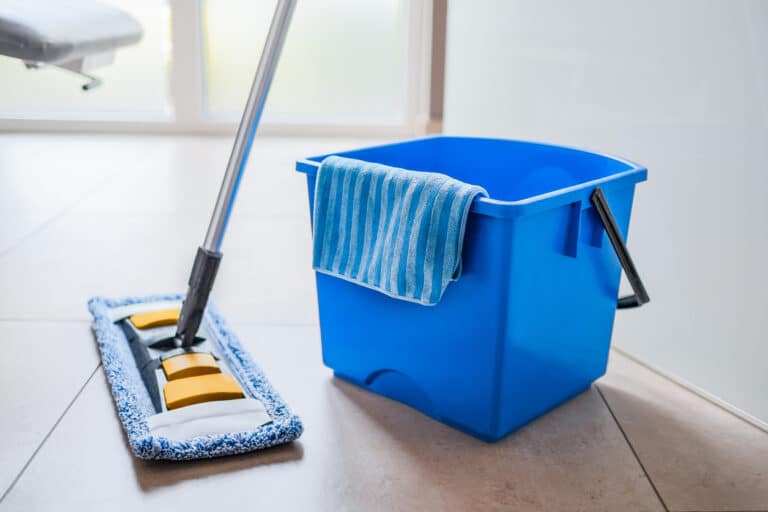
FAUSTREGEL
MIT NACHWEISWas gemacht wurde, steht schwarz auf weiss.Leistungsnachweis je Einsatz, auf Wunsch mit Foto. Diskussionen erledigen sich, bevor sie anfangen.
19. Wer Bling Bling vertraut
Auftraggeber, die seit Jahren mit demselben Team arbeiten — vom Fitnessclub über den Showroom bis zum Hochhaus.
20. So buchen Sie Ihre Premium Reinigung
Sechs Schritte von der Anfrage bis zur Abnahme.
Anfrage
Über das Formular auf dieser Seite. Antwort werktags binnen 48 Stunden.
Begehung vor Ort
Kostenlos und unverbindlich. Wir sehen uns Flächen, Zugänge und Zeitfenster an — ohne das gibt es keinen Preis.
Schriftliches Angebot
Fixer Kostenrahmen nach der Begehung, mit Leistungsverzeichnis und Vertragsbedingungen.
Termin
Wunschtermin, auf Wunsch außerhalb der Betriebszeiten, am Wochenende oder am Feiertag.
Durchführung
Festes Team, Foto-Dokumentation vorher und nachher, Abnahme direkt am Objekt.
Nachbesserung
Passt etwas nicht, wird binnen 48 Stunden nachgebessert — ohne Diskussion und ohne Zusatzkosten.
Unsere Garantien
Fünf schriftliche Zusagen — für jeden Auftrag, auch den kleinsten.
Festpreis nach der Begehung
Was besichtigt wurde, steht schriftlich im Angebot. Keine Nachforderung für das, was vereinbart war.
Nachbesserung binnen 48 h
Passt etwas nicht, kommen wir noch einmal — kostenlos und ohne Diskussion.
Angemeldetes Personal
Jede Kraft ist ordentlich angemeldet und eingeschult. Nachweis auf Verlangen.
3 Mio. € Haftpflicht
Schadensfall ist gedeckt, die Polizze liegt dem Angebot bei.
Nachweis mit Datum
Einsatznachweis und Fotos vorher/nachher, auf Wunsch als monatlicher Bericht.
Bewertungen von Auftraggebern in Wien, Graz, Linz, Salzburg und Klosterneuburg — gewachsen seit 2014, nicht gekauft. Der Stand wird täglich vom Google-Profil übernommen.
21. Schriftliche Empfehlungsschreiben renommierter Kunden
Die Originalschreiben liegen im Büro zur Einsicht auf.
★ 27.08.2024
Kindernothilfe Österreich
„Unkomplizierte und professionelle Zusammenarbeit. Empfehlen Bling Bling für Büroreinigungsarbeiten weiter.“
— Mag. Gottfried Mernyi, CEO
★ 22.10.2022
Fit/One Österreich
„Seit 3,5 Jahren zufrieden. Reinigung zügig, einwandfrei, hervorragender Hygiene-Stand.“
— Christian Lang
★ 06.11.2018
M1 Med Beauty / Kliniken
„Qualität, Zuverlässigkeit und Angebotstreue für Kliniken und Ordinationen. Empfehlung ohne Vorbehalt.“
— Geschäftsführung
★ 10.12.2018
Artex Museum Services
„Endreinigung Vitrinen, vollste Zufriedenheit, kurzfristige Einsätze. Weiterempfehlung garantiert.“
— Objektleitung
★ Architekturbüro
Arch. DI Kiener & Dazinger
„Baustellen-, End-, Stiegen- und historische Geländerreinigung. Wärmste Weiterempfehlung.“
— Büroleitung
Weitere Leistungen:
22. Häufige Fragen
Was kostet die Reinigung?
Was kostet Premium Reinigung?
Warum nennen Sie keinen Quadratmeterpreis?
Ist die Begehung wirklich kostenlos?
Wie schnell können Sie anfangen?
Arbeiten Sie mit Subunternehmern?
Kommt immer dieselbe Person?
Wie sind Sie versichert?
Gibt es eine Mindestlaufzeit?
Gibt es eine Mindestgröße?
Wie wird abgerechnet?
Was passiert im Betriebsurlaub?
Steigen die Preise jährlich?
Was ist, wenn etwas kaputtgeht?
Was ist, wenn ich nicht zufrieden bin?
Bekomme ich einen Nachweis über die Einsätze?
Brauche ich eine Grundreinigung zum Start?
Betreuen Sie mehrere Standorte?
In welchen Städten arbeiten Sie?
Arbeiten Sie auch ausserhalb der Dienstzeit?
Ist das steuerlich absetzbar?
Was ist mit Datenschutz?
Seit wann gibt es Bling Bling?
Wie lange dauert die Begehung?
Muss jemand von uns bei der Reinigung anwesend sein?
Was passiert, wenn unser Ansprechpartner wechselt?
Arbeiten Sie auch am Wochenende und an Feiertagen?
Können wir den Umfang später ändern?
Wie kurzfristig können Sie einspringen?
Bringen Sie Maschinen und Mittel mit?
Wer haftet, wenn etwas beschädigt wird?
Bekommen wir immer dieselbe Ansprechperson?
Wie gehen Sie mit Schlüsseln um?
Was ist, wenn wir mit einer Kraft nicht zurechtkommen?
Reinigen Sie auch außerhalb von Wien?
Wie schnell bekommen wir das Angebot?
Was unterscheidet Sie von einem Vermittler?
Warum nennen Sie am Telefon keinen Richtpreis?
Wie läuft die Besichtigung ab?
Wie schnell können Sie starten?
Welche Leistungen bieten Sie an?
In welchen Städten sind Sie tätig?
Arbeiten Sie für Firmen und für Privat?
Bekomme ich immer dieselben Personen?
Was passiert bei Krankheit oder Urlaub?
Sind Ihre Kräfte angemeldet?
Warum ist das für mich als Auftraggeber wichtig?
Sind Sie versichert?
Was passiert, wenn etwas beschädigt wird?
Wie ist der Schlüssel abgesichert?
Muss jemand anwesend sein?
Wann wird gereinigt?
Arbeiten Sie am Wochenende und an Feiertagen?
Bringen Sie Mittel und Geräte mit?
Wie stellen Sie gleichbleibende Qualität sicher?
Was ist ein Leistungsverzeichnis?
Was tun, wenn ich nicht zufrieden bin?
Gibt es eine Mindestlaufzeit?
Machen Sie auch einmalige Aufträge?
Wie wird abgerechnet?
Kann ich mehrere Objekte zusammenfassen?
Übernehmen Sie auch Sonderfälle wie Messiewohnungen?
Reinigen Sie nach Bauarbeiten?
Was ist mit Schimmel?
Machen Sie Fenster in mehreren Stockwerken?
Übernehmen Sie Winterdienst?
Wie schnell antworten Sie auf Anfragen?
Gibt es eine App für Kundinnen und Kunden?
Was ist das Foto-Protokoll?
Suchen Sie Mitarbeiterinnen und Mitarbeiter?
Was, wenn ich zusätzlich Bauarbeiten brauche?
Wie schnell bekomme ich ein Angebot?
23. Unsere Standorte
Eigenes Team vor Ort, keine Anfahrt quer durchs Land.
Reinigungsfirma Wien →Büroreinigung Wien →Reinigungsfirma Graz →Büroreinigung Graz →Reinigungsfirma Linz →Büroreinigung Linz →Reinigungsfirma Salzburg →Büroreinigung Salzburg →Gebäudereinigung Wien →Reinigungsfirma →Reinigung Wien →Reinigung →Grundreinigung Wien →Endreinigung →Baureinigung Wien vom Profi →Industriereinigung →Reinigungsdienst Wien →Wohnungsreinigung Wien →Gewerbereinigung Wien →Endreinigung Wien →Dachrinnenreinigung Wien →Shopreinigung Wien l Einzelhandel →Reinigungsdienst →Fensterreinigung →Dachrinnenreinigung →Teppichreinigung Wien für Ihr Büro →Putzfrau →Hausreinigung Wien →Reinigung 1210 Wien →Gebäudereinigung →24. Weitere Leistungen
Häufig gemeinsam beauftragt — dieselben Leute, dieselbe Route.
 WohnungsreinigungIn Wien, Graz, Linz, Salzburg und Klosterneuburg.Ansehen →HausreinigungFür Einfamilien- und Reihenhäuser an fünf Standorten: welcher Takt zu welchem Haus passt, was Stockwerke und Nebenräume bedeuten, Schlüssel und …Ansehen →
 FensterreinigungIn Wien, Graz, Linz, Salzburg und Klosterneuburg.Ansehen →
 KanzleireinigungFür Rechtsanwälte, Notare und Steuerberater an fünf Standorten: Verschwiegenheit, Umgang mit Akten, Reinigung vor Betriebsbeginn, Naturstein im …Ansehen →
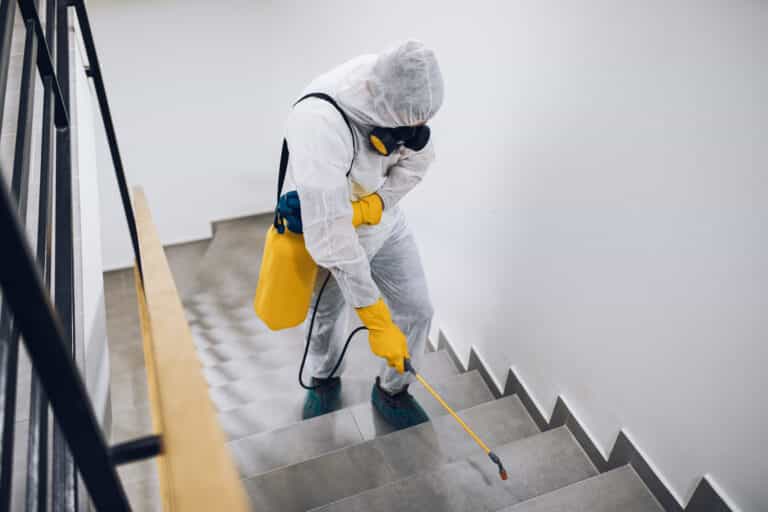 HausbetreuungIn Wien, Graz, Linz, Salzburg und Klosterneuburg: Was dazugehört, welche Pflichten den Eigentümer treffen, wie Räum- und Streuzeiten dokumentiert …Ansehen →
 GlasreinigungIn Wien, Graz, Linz, Salzburg und Klosterneuburg: Trennwände, Vitrinen, Glasdächer und Geländer.Ansehen →
 SonderreinigungIn Wien, Graz, Linz, Salzburg und Klosterneuburg: nach Wasserschaden, Brand, Verwahrlosung oder Schädlingsbefall.Ansehen →
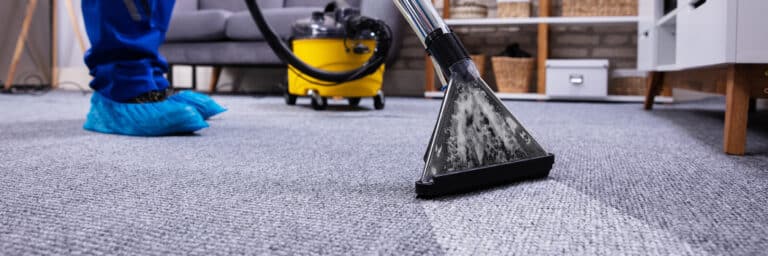 TeppichreinigungIn Wien, Graz, Linz, Salzburg und Klosterneuburg: Sprühextraktion, Pad und Trockenschaum im Vergleich, Trocknungszeiten, was gegen welchen Fleck …Ansehen →
◆ Partnerunternehmen · Skyline Bau
Neben der Reinigung muss auch gebaut werden?
Wenn neben der Reinigung auch gebaut werden muss. Unser Partnerunternehmen Skyline Bau GmbH übernimmt Sanierung, Trockenbau und Innenausbau — schlüsselfertig, nach ÖNORM B 2110, mit fester Bauleitung.
Skyline Bau ansehen →Skyline Bau GmbH · Wiener Generalunternehmer · seit 2014 · Wien
25. Premium Reinigung anfragen
Begehung kostenlos und unverbindlich. Antwort werktags binnen 48 Stunden. Fotos oder einen Grundriss können Sie gleich mitschicken — dann geht die Begehung schneller.
Mit * gekennzeichnete Felder brauchen wir, um einen Termin zu vereinbaren.

© 2026 Bling Bling GmbH · Bling Bling Premium Reinigung. Alle Rechte vorbehalten.
Ihre Auswahl
Wir verwenden nur, was für den Betrieb dieser Website nötig ist. Alles Weitere – etwa Statistik oder Inhalte fremder Anbieter – nur mit Ihrer Zustimmung. Sie können Ihre Auswahl jederzeit ändern.
Datenschutz · AGB · Impressum